
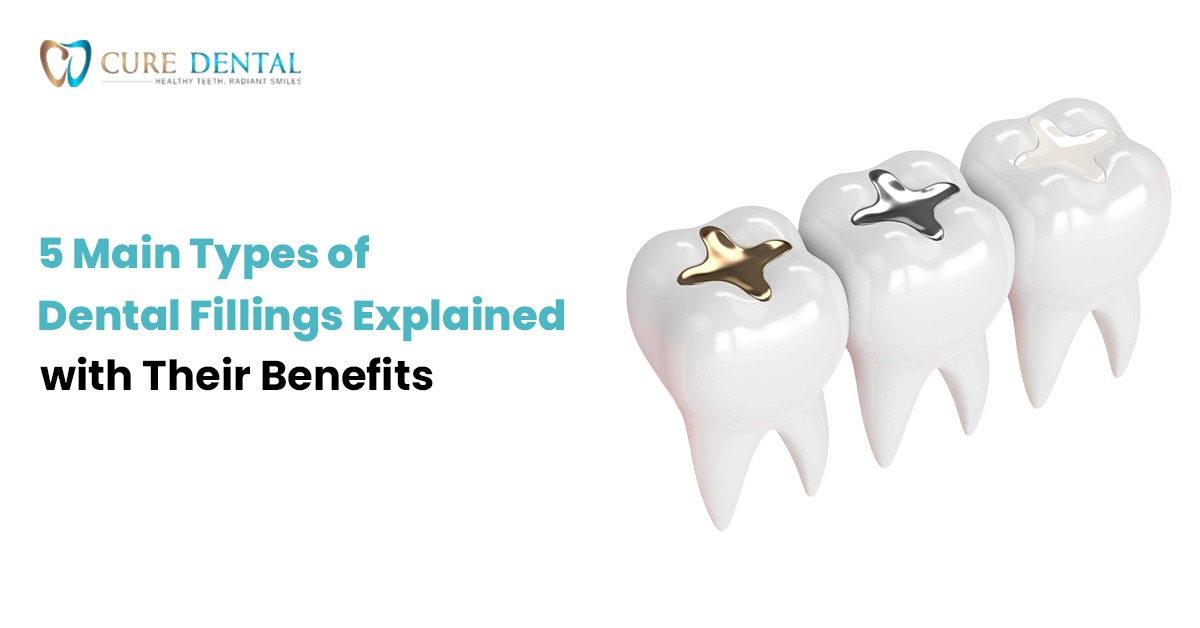
Dental Fillings are the quiet solution for fixing teeth that have been damaged through decay, small fractures, or just wear and tear. They can reshape and re-function while preventing further issues from arising. With advancements in materials science, you now have a few choices when it comes to fillings, each with its own merits. Usually, it depends on where the tooth sits, how much pressure it has to withstand, your personal preferences when it comes to aesthetics, and, of course, your budget.
Let’s break down the five most common types of dental fillings and what makes each one special.
1. Amalgam Fillings: Tried, Tested and Tough
Amalgam fillings have been around for over 100 years. They’re made from a blend of metals, including silver, mercury, tin and copper. These fillings are usually chosen for the back teeth, the molars because they’re tough and can handle constant chewing.
Key Benefits:
- Super durable, often lasting over 15 years.
- Budget-friendly option for long-term results.
- Resistant to wear and cracking.
While they’re strong, the downside is their metallic look. So, they’re not ideal if you’re concerned about visible dental work in your smile zone.
2. Composite Fillings: Natural Look, Solid Performance
Composite fillings are made from a mix of plastic and glass particles. These fillings are tooth-colored and can be closely matched to the natural teeth and this is why they are preferred for the front teeth or any tooth that is visible when you smile.
Key Benefits:
- Blends in with your existing teeth.
- Bonds directly to the tooth, offering extra support.
- Versatile for both front and back teeth.
These fillings are a great cosmetic option but may wear down quicker in areas where you bite down hard. Still, they’re a favourite for those looking for a discreet fix.
3. Ceramic Fillings: Aesthetic Excellence with Strength
Ceramic fillings are typically made of porcelain and are a luxurious dental restoration choice that is durable and very attractive, with a glossy and stain-resistant surface.
Key Benefits:
- Looks very close to natural tooth enamel.
- Resistant to staining from coffee, tea, or tobacco.
- Safe for patients with metal allergies.
These are usually more expensive, but their long life and good looks make them a smart investment for anyone prioritising appearance.
4. Gold Fillings: Premium Durability That Lasts Decades
Gold fillings are well-known for their durability and are commonly found in the back teeth of mouths. While no longer as common in modern dentistry because of expense and aesthetics, gold fillings are among the longest-lasting types of fillings that exist.
Key Benefits:
- Lasts 20 years or more with proper care.
- Doesn’t wear down or corrode easily.
- Gentle on neighbouring teeth.
They’re visible and pricey, but for those who value durability above all else, gold is still a strong contender.
5. Glass Ionomer Fillings: Extra Protection for Kids and Sensitive Spots
These types of fillings combine acrylic and glass. They are often used in baby teeth or in areas near the gum line, in cases where decay is likely. Their release of fluoride is quite notable.
Key Benefits:
- Fluoride release helps prevent future cavities.
- Bonds to teeth without the need for drilling too much.
- Ideal for temporary or smaller repairs.
They’re not as tough as other fillings, but they offer added protection in the right situations.
Finding the Right Filling for Your Smile
It is not only the cost that must be considered in making the right choice. There is the question of visibility, the pressure with which you chew and the period you would like the filling to last. Others may want the fillings to be more natural, especially where the front teeth are concerned.
At Cure Dental, you get expert advice tailored to your needs. Whether you’re after aesthetics, function, or both, our team helps you make the right call with the most advanced materials available. Book your visit today and give your smile the care it truly deserves.