
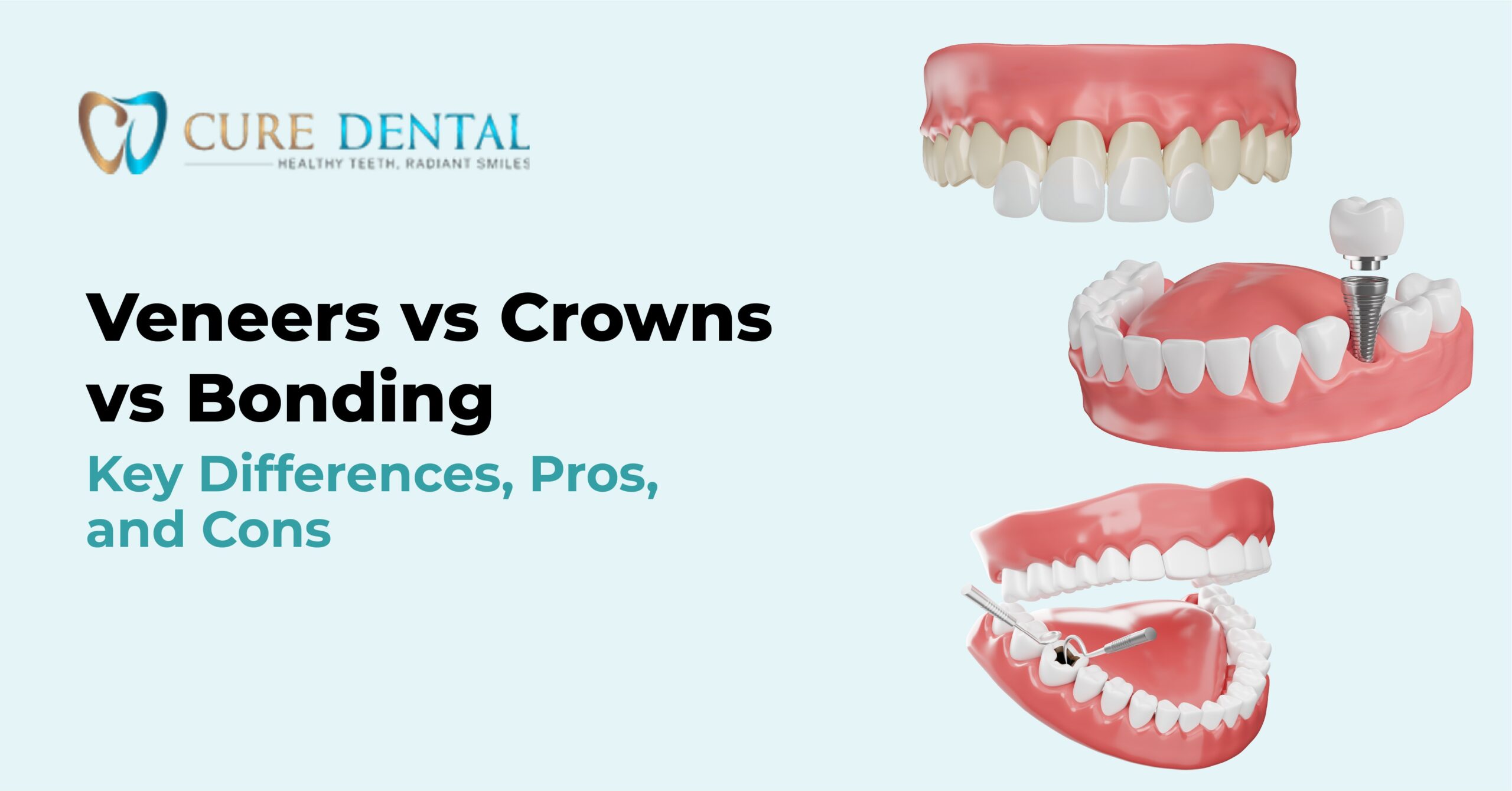
Every day, a smile that shows confidence changes how you act. It has an effect on photos, conversations and even job interviews. Veneers, crowns and bonding are three strong ways that cosmetic dentistry can fix damaged or imperfect teeth. They all fix different problems. Some fix small cosmetic problems. Some people get their strength and function back.
A lot of people look into options like Denture in Belton when they lose teeth, so it’s important to know about all of them. This guide explains everything in plain English so you can feel calm, informed and sure of what to do next.
What are Veneers
Veneers are thin shells that go on the front of teeth. Dentists make them out of porcelain or composite resin. They make teeth that are stained, uneven or a little crooked look better.
Like real enamel, porcelain veneers bounce light off them. Because of this, they look very real and smooth. If you’re embarrassed about small gaps or discolouration, veneers can change your life.
Pros of Veneers
- Looks good: Veneers make your smile look bright and natural.
- Stain Resistance: Coffee and wine stains don’t stick to porcelain.
- Durability: With good care, they can last 10 to 15 years.
Drawbacks of Veneers
- The process is permanent: dentists take off a thin layer of enamel.
- Price: Veneers are more expensive than bonding.
- Limited Repair Use: They don’t fix major structural damage
Veneers are all about beauty and balance. But they can’t replace teeth that are missing. In those cases, treatments like Denture in Belton help restore function and make daily life more comfortable.
Getting to Know Crowns
Crowns go all the way around the tooth. Dentists often suggest them for teeth that are cracked, weak or badly rotting. They also keep teeth safe after a root canal.
Crowns cover the whole tooth, so they make it look and feel stronger. So, they help you chew comfortably again.
Benefits of Crowns
- Full Protection: Crowns cover the whole tooth.
- Versatility: They can fix damage and make things look better.
- Long-lasting: Most crowns last between 10 and 20 years.
What Not to Like About Crowns
- A lot of work is needed: Dentists change the shape of most of the teeth.
- More Expensive: Crowns cost more than bonding.
- Temporary Sensitivity: You may feel a little sensitive at first.
A crown can often help a tooth that feels weak and unstable.
Getting to Know Bonding
Bonding is easy and doesn’t cost much. Dentists put tooth-colored resin right on the tooth. After that, they use a special light to shape and harden it.
Most treatments can be done in one visit because the process is quick. Bonding also keeps most of your natural enamel.
Good things about bonding
- Reasonable: Bonding costs less than crowns or veneers.
- Quick: Most of the time, treatment is done in one visit.
- Conservative: Only a small amount of enamel is taken off.
The Bad Things About Bonding
- Less durable: Resin chips more easily than porcelain.
- Stains Over Time: Composite material can change colour.
- Shorter Lifespan: Bonding usually lasts between 5 and 7 years.
Bonding is good for fixing small problems. But it might not be able to handle a lot of pressure for a long time.
Picking the Best Option
Your goals and dental health will help you decide what to do. Veneers might sound exciting, if you want a big change in your looks. Crowns give your tooth strength and protection. In the meantime, bonding is better, for small repairs and tight budgets.
A professional evaluation clears things up. A dentist will look at the health of your teeth, how well your bite lines up and what you can expect in the long term. Then you can make a clear plan that works for you.
Conclusion
Veneers make things look better. Crowns make things strong again. Bonding makes things better quickly. When matched correctly, each solution is useful in its own way.
Make an appointment with Cure Dental if you want to be proud of your smile again.