
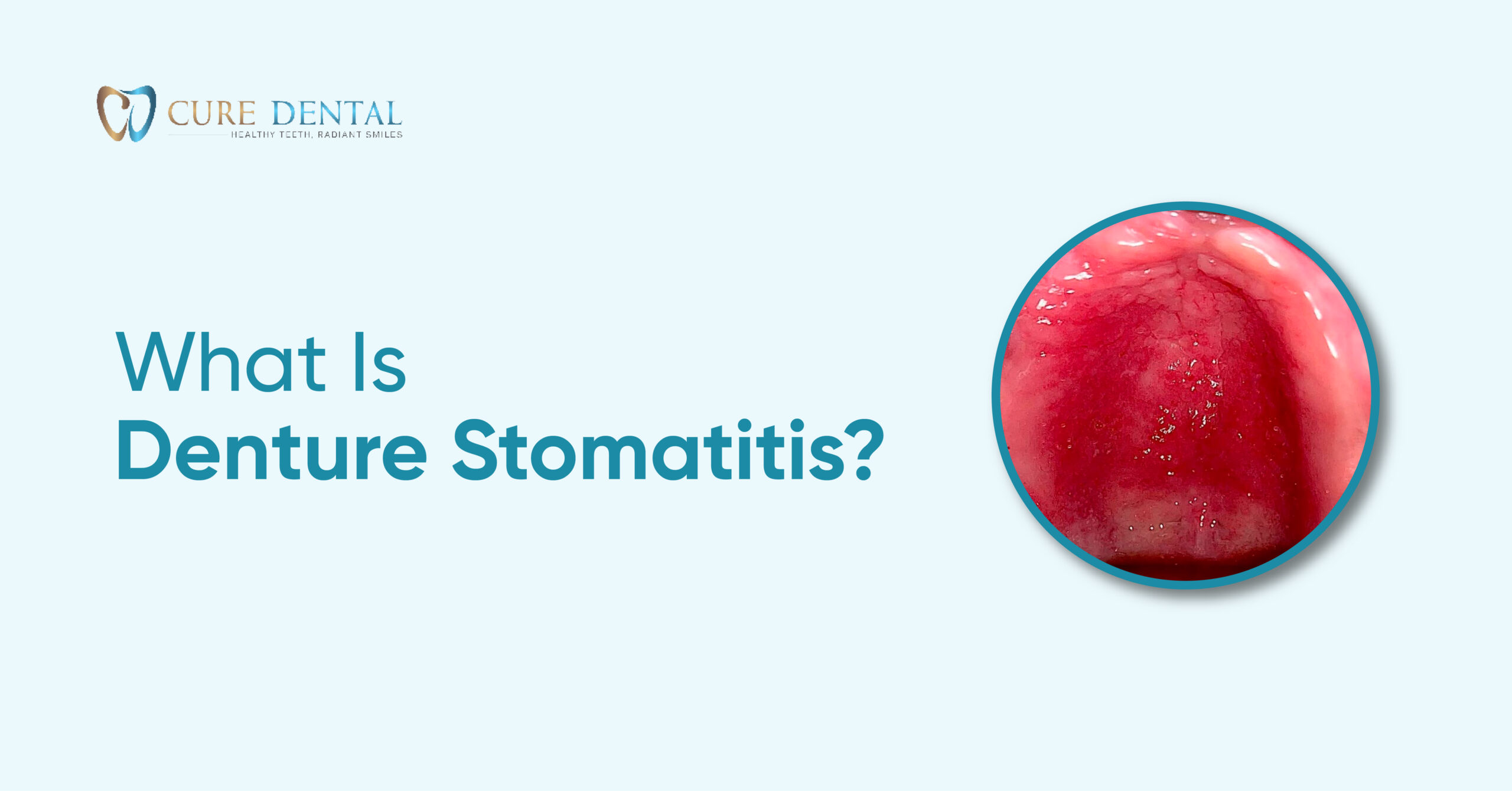
There happen to be a range of dental issues that require to be addressed. Especially by the belton dental clinic for dentures, as soon as possible, should one face any issues with their oral health. It is always best to seek the services of an experienced dentist. People today often wear dentures. However, with the lack of proper care for dentures. One might suffer from various health issues. The overgrowth of Candida, a fungus between the denture and the gums is unhealthy. It can lead to dental stomatitis.
Knowing more about it
Oral thrush is yet another term used to refer to denture stomatitis. Troubling as it can be, it is easy to treat should one seek expert advice. Some common symptoms associated with the same are:
- A persistent soreness in the mouth as well as the throat leads to extensive discomfort and pain.
- Development of white and red patches inside the mouth of an individual.
- Persistent bad taste or bad breath in an individual.
What Causes Denture Stomatitis?
Denture stomatitis can develop due to several factors that affect the health of the oral tissues beneath removable dentures. One common contributing factor is the overgrowth of Candida, a type of yeast that naturally occurs in the mouth. Poor denture hygiene and plaque buildup can encourage microbial growth and contribute to inflammation.
Other factors that may increase the risk include:
Poor denture hygiene: Inadequate cleaning allows food particles, plaque, and microorganisms to accumulate on dentures.
Wearing dentures overnight: Keeping dentures in place while sleeping can increase the risk of inflammation.
Ill-fitting dentures: Dentures that rub against the gums may cause irritation and tissue damage.
Dry mouth: Reduced saliva can affect the mouth’s natural protective environment.
Certain health conditions: Diabetes and a weakened immune system may increase susceptibility to oral infections.
Identifying these contributing factors can help a dental professional recommend appropriate treatment and preventive measures.
How Is Denture Stomatitis Diagnosed?
A dentist can often identify denture stomatitis by examining the mouth and the tissues covered by the dentures. Redness, swelling, or irritation beneath the appliance may indicate inflammation.
The dentist may also assess the condition and fit of the dentures, review oral hygiene habits, and look for signs of mechanical irritation. If the diagnosis is uncertain or another infection is suspected, additional testing may be recommended.
A professional examination is important because other oral conditions can cause similar symptoms. Early evaluation helps determine the appropriate treatment and prevent ongoing irritation.
Treatment of the issue
They happen to be many ways in which people can seek effective treatment for denture stomatitis. However, it is best to seek guidance from an experienced healthcare provider. After seeking the required treatment, it is important that one properly care for their dentures by removing any Candida buildup and frequently brushing their dentures.
How to Prevent Denture Stomatitis
Maintaining good oral hygiene and cleaning dentures regularly can help reduce the risk of denture stomatitis. The following habits can support healthier oral tissues:
Clean dentures daily: Use a denture brush and an appropriate cleanser to remove food debris and plaque.
Clean your mouth: Gently clean your gums, tongue, and the roof of your mouth, even if you wear full dentures.
Remove dentures at night: Unless your dentist advises otherwise, remove removable dentures before sleeping.
Store dentures properly: Follow the manufacturer’s instructions for soaking and storing dentures when they are not being worn.
Check denture fit regularly: Visit your dentist if your dentures become loose, uncomfortable, or damaged.
Maintain regular dental visits: Routine checkups help identify oral health problems and denture-related irritation early.
These preventive steps can help maintain denture cleanliness, reduce irritation, and support long-term oral health.
When Should You See a Dentist?
Consult a dentist if you experience persistent redness, swelling, soreness, bleeding, or sores beneath your dentures. You should also arrange an examination if your dentures begin to rub against your gums, feel loose, or cause repeated discomfort.
A dental professional can assess whether denture stomatitis, poor denture fit, or another oral condition is responsible for the symptoms. The appropriate treatment will depend on the cause and severity of the problem.
Seek prompt medical attention for severe pain, significant swelling, fever, or difficulty swallowing. Difficulty breathing requires emergency medical care.
Conclusion
Denture stomatitis can cause redness, inflammation, and discomfort in the tissues beneath removable dentures. Proper denture cleaning, removing dentures during sleep, and attending regular dental checkups can help maintain healthy oral tissues and reduce the risk of recurrence. If you experience persistent irritation or sores, consult a dental professional for an appropriate evaluation and treatment. If you are looking for Belton dental in TX, Cure Dental can help you address your oral health concerns and receive guidance on proper denture care.
Frequently Asked Questions About Denture Stomatitis
Can denture stomatitis go away on its own?
Mild irritation may improve when contributing factors are corrected. However, persistent inflammation may require professional treatment, particularly if a fungal infection or denture-fit problem is involved.
How long does denture stomatitis take to heal?
Recovery depends on the cause, severity, and treatment. Some people improve within a couple of weeks after appropriate treatment begins, while others may take longer. Consult your dentist if symptoms persist.
Can you wear dentures while treating denture stomatitis?
Your dentist may recommend removing removable dentures at night or for longer periods to allow the affected tissues to recover. Follow the wearing and cleaning instructions provided for your individual condition.
Can denture stomatitis come back?
Yes, denture stomatitis can recur if contributing factors remain. Poor denture hygiene, wearing dentures overnight, and unresolved fit problems may increase the risk. Regular cleaning and dental checkups can help reduce recurrence.
Is denture stomatitis the same as oral thrush?
No. Denture stomatitis describes inflammation of the tissues beneath dentures, while oral thrush refers to a Candida infection in the mouth. Candida can contribute to denture stomatitis, but the two terms are not interchangeable in every case.